











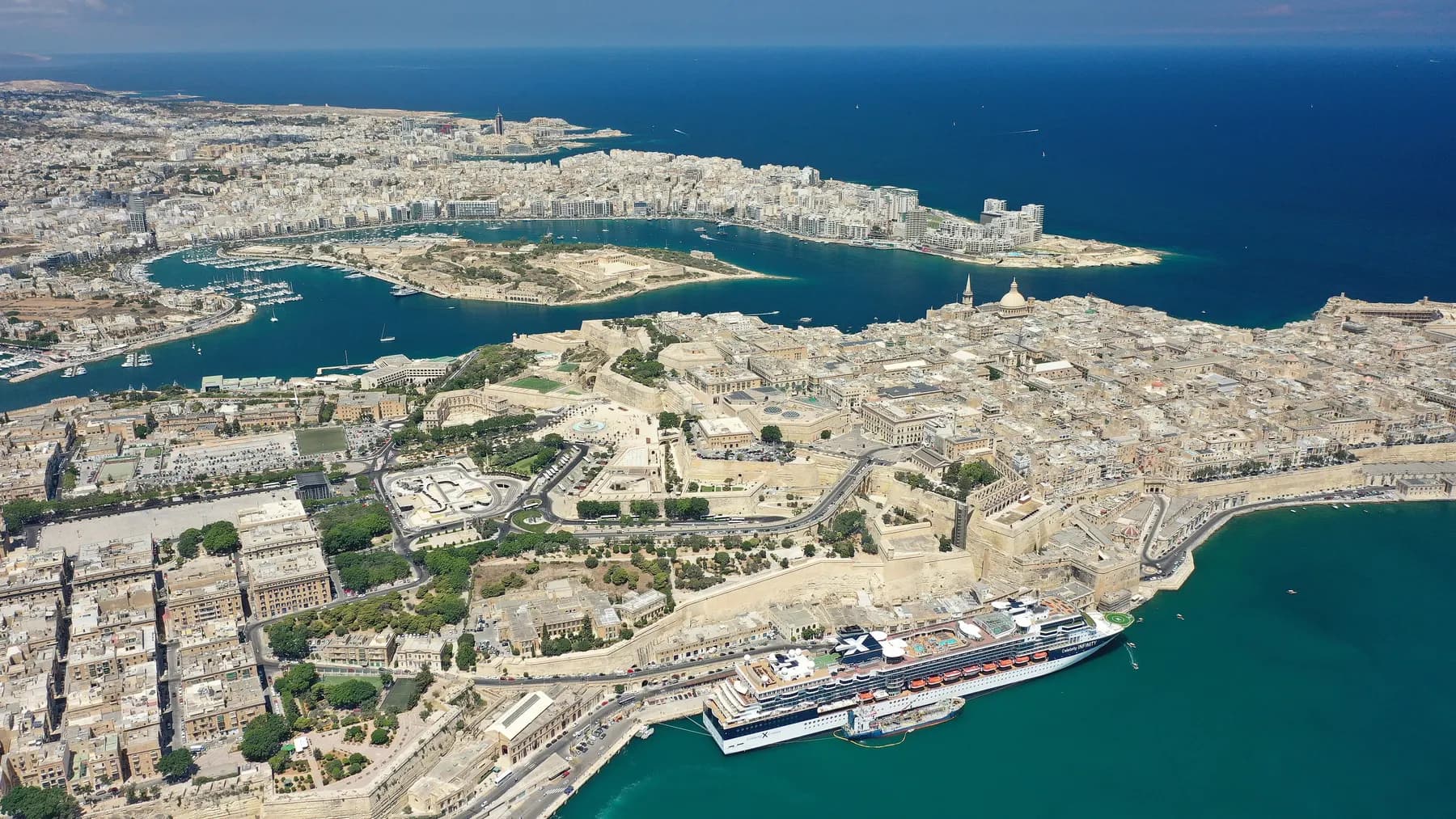
Malta · European Union
Permanent residence in Malta for the whole family
Permanent residence in an EU member state, granted to as many as four generations on one application, with no requirement to live in Malta. In return: a contribution to the Maltese state and a home held for as long as the card is held.
- 4 generations
- On a single family application
- 4 to 6 months
- Published processing time
- No minimum
- No minimum stay to keep the card
- 5 years
- Validity of the first eResidence card
Three things to settle before counting money
- 01
This is residence, not citizenship
The MPRP card carries no Maltese passport. Citizenship is an entirely separate route, judged on entirely different criteria.
- 02
It is not a work permit
Working in Malta requires a separate permit. The card confers no right to work in any other EU country either.
- 03
Buying property does not by itself grant the card
Property is one condition among several. The file still has to pass the Residency Malta Agency's assessment of wealth and its due diligence.
What the programme requires
Four sets of conditions, and all four must be met. These are the Residency Malta Agency's rules, not an adviser's.
Established by Legal Notice 121 of 2021, as amended by Legal Notice 146/25. Regulator: Residency Malta Agency. Applications must be filed through a licensed agent.
- 01
Proof of wealth
Total assets from EUR 500,000, of which at least EUR 150,000 in liquid assets. Or total assets from EUR 650,000, of which at least EUR 75,000 in financial assets.
- 02
A home in Malta or Gozo
Purchase a property from EUR 375,000, or lease one at a rent from EUR 14,000 a year. It must be held for as long as the card is held.
- 03
Contributions to the Maltese state
An administrative fee of EUR 60,000, a government contribution of EUR 37,000, and a EUR 2,000 donation to a registered Maltese voluntary organisation.
- 04
Standing and insurance
Passing the Residency Malta Agency's due diligence, and holding valid health insurance for everyone named on the file.
Payment timeline
When the money actually leaves
This is what families most want to know and are least often told plainly. Everything below is paid to the Maltese side, not in one go, but across four stages of the file. Knowing the schedule in advance makes the cash flow far easier to arrange.
Stage 1
Filing the application
The first payment falls due as the application goes in. If the biometrics appointment is arranged sooner, it must be settled before that appointment.
Initial administrative fee
EUR 15,000
Within 1 month of submission, and before the biometrics appointment where that comes earlier. It forms part of the total EUR 60,000 administrative fee.
Stage 2
After the letter of approval in principle
The Residency Malta Agency issues the Letter of Approval in Principle. From this point the clock runs on the next two amounts.
Balance of the administrative fee
EUR 45,000
Within 2 months of approval in principle. With the EUR 15,000 already paid, the administrative fee totals EUR 60,000.
Adult dependant fee
EUR 7,500 each
For financially dependent, unmarried children aged 18 and over. A spouse and children under 18 are excluded from this fee.
Stage 3
Within 8 months of approval, before final approval
The heaviest stage financially, and the one by which the home must be in place. Four things have to be completed together.
Government contribution
EUR 37,000
Payable on the same terms whether you buy or rent.
Donation
EUR 2,000
To a registered Maltese non-governmental organisation accepted by the Agency.
Qualifying property
Lease from EUR 14,000 a year, or purchase from EUR 375,000
Roughly EUR 1,166.67 a month on the lease route. The arrangement must be completed and evidenced.
Health insurance
Case by case
A valid policy covering everyone named on the application.
Stage 4
Issue of the residence cards
The last step before the eResidence cards are in hand.
Residence card fee
EUR 500 per person
Payable before the cards are issued. The first card is valid for 5 years.
What it adds up to
Take a family of four: two parents and two children under 18. This is the part paid to the Maltese side, before property, insurance, translation, legalisation and professional fees.
- Administrative fee
- EUR 60,000
- Government contribution
- EUR 37,000
- Donation
- EUR 2,000
- Residence cards, 4 people
- EUR 2,000
- Total paid to the Maltese side
- EUR 101,000
On top of this comes the home: a lease from EUR 14,000 a year, or a purchase from EUR 375,000. Dependent children aged 18 and over add EUR 7,500 each. The fees of VNIS Investment and of our partner in Malta are set out in a full schedule of costs before signing, as with every file we take.
Buy or rent
Both routes are accepted on equal terms, and the government contribution is the same either way. What differs is the capital required and the attendant costs that price lists tend to leave out.
Purchase from EUR 375,000
- The purchase price, at least EUR 375,000 in Malta or Gozo
- Notary fees, typically around 1 to 2 per cent of the price
- Stamp duty of 5 per cent on the purchase price
The property must be held for as long as the card is held; it cannot be sold early.
Lease from EUR 14,000 a year
- Monthly rent, at least about EUR 1,166.67
- One month's rent as a deposit
- Agency commission, typically 50 per cent of one month's rent
The lease must be maintained without interruption and renewed on time throughout.
A property held under the MPRP may only be let out if it sits in a Special Designated Area, and even then for a limited number of days a year. Do not count it as an income-producing investment.
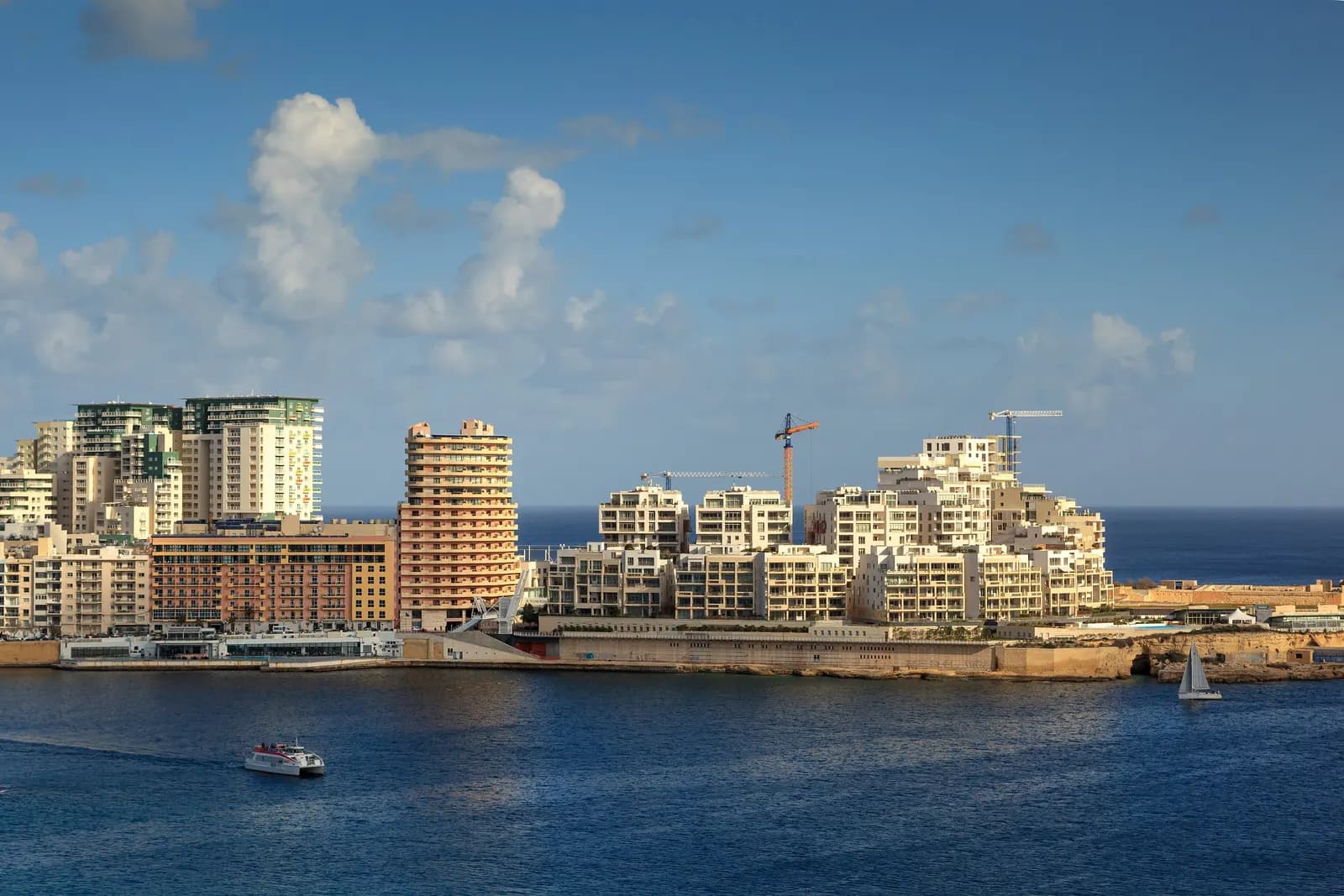
What the card gives a family
- The right to reside and settle in Malta indefinitely, for the whole family
- Visa-free travel across the Schengen area, 90 days in any 180
- Up to four generations on one application: the applicant, spouse, children, and dependent parents and grandparents
- No minimum stay required to keep the card
- A settled footing in Europe for the children's education and the family's longer plans
And what it does not
- It is not citizenship: no Maltese passport, no vote
- It is not a work permit, and confers no right to work in another EU country
- It does not allow the property to be let out, unless it sits in a Special Designated Area
- The qualifying home cannot be sold while the card is held
- The card can be withdrawn if the conditions lapse or the declared information proves wrong
Who it suits, and who it does not
Worth considering if
- The family wants a footing in the EU while work and assets stay in Vietnam
- Parents or grandparents should be included on the same application
- You accept this as the cost of a residence right, not as an investment that pays back
- Your finances are transparent and the source of wealth can be documented
Not yet, if
- The goal is an EU passport within a few years
- You want to work in Malta or start a company there straight away
- You expect rental income from the property to offset the cost
- The source of funds cannot yet be evidenced clearly
How a file proceeds
Anyone applying under the MPRP must file through an agent licensed by the Residency Malta Agency. That is the rule, not a choice.
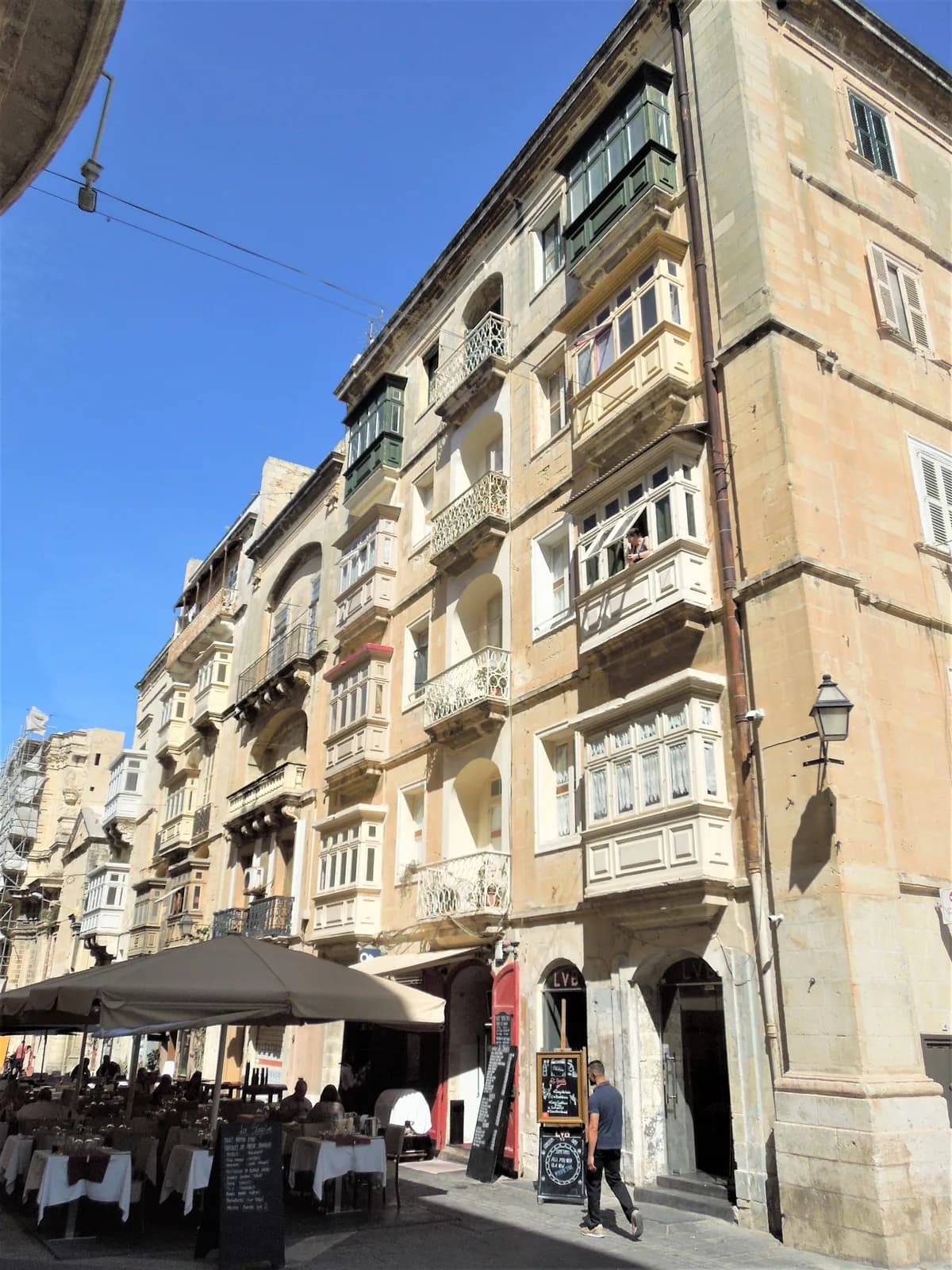
- 01
Preliminary assessment
Measuring wealth, standing and family structure against the programme's conditions. This stage says plainly whether the file should proceed, before a single euro is spent.
- 02
Preparation and filing
Assembling the full application, translating and legalising documents, then filing through a licensed agent with the Residency Malta Agency.
- 03
Assessment and due diligence
The Agency verifies wealth, its source, and the standing of everyone named on the file.
- 04
Approval in principle
The Letter of Approval in Principle is issued. From here the payment deadlines and the property deadline begin to run.
- 05
Completing the conditions
Paying the government contribution and the donation, signing the purchase or lease, and taking out health insurance, all within 8 months.
- 06
Issue of the eResidence cards
After final approval and the card fee, the family receives residence cards valid for 5 years, renewable under the rules.
VNIS Investment and trusted partners
CSB Group
VNIS Investment does not work alone. In Malta we work with reputable partners, among them CSB Group, licensed by the Residency Malta Agency as an agent for this programme.
CSB Group is a Malta-based professional services group established in 1987. On Maltese files they are a licensed agent - meaning your application is filed by a firm answerable to the Maltese authorities, not passed through an intermediary.
- Established
- 1987
- Head office
- Swatar, Malta
CSB International Limited C38923
Licensed Agent for the Malta Permanent Residence Programme - licence no. AKM-CSBI-21, issued by the Community Malta Agency
CSB International Limited C38923
Company Service Provider authorised by the Malta Financial Services Authority (MFSA)
What VNIS Investment does on this file
- 01
Speak plainly at the first meeting
Measuring wealth, family structure and source of funds against the conditions. If it does not yet fit, we say so rather than letting you spend first and find out later.
- 02
Build the evidence file
The hard part of an MPRP application is not the money but documenting the source of wealth coherently. We build that with you from the start.
- 03
Work with trusted partners in Malta
Our partners in Malta, among them CSB Group, handle what must be done there: reviewing the pack, filing with the Residency Malta Agency, and helping find a home at the right threshold.
- 04
Track the obligations after the grant
An MPRP card carries continuing obligations: keeping the home, keeping insurance, and periodic compliance checks. We track those milestones with the family.
Questions Vietnamese families ask
- Do we have to live in Malta?
- No. The MPRP sets no minimum stay to keep the card. But a qualifying home in Malta or Gozo must be in place and held for as long as the card is held.
- How long until the cards arrive?
- The published processing time is around 4 to 6 months from submission to issue of the eResidence cards. That figure is the regulator's, not a commitment of ours, and it depends on whether the file is complete from the outset.
- Can parents and grandparents be included?
- Yes. One MPRP application can cover up to four generations, including parents and grandparents financially dependent on the main applicant. Unmarried, dependent children aged 18 and over can be included too, at an administrative fee of EUR 7,500 each.
- Is renting seen as weaker than buying?
- No. For the application, a lease from EUR 14,000 a year and a purchase from EUR 375,000 carry equal weight, and the government contribution is identical. The difference is in the family's cash flow and whether it wants to hold an asset in Malta.
- Can the purchased property be let out?
- Only if it sits in a Special Designated Area, and even then for a limited number of days a year. A home held under the MPRP should not be counted as an income-producing investment.
- Does this lead to Maltese citizenship?
- Not automatically. The MPRP is a residence programme. The only remaining route to Maltese citizenship is naturalisation on the basis of merit, assessed case by case on the value of the contribution, and entirely separate from the MPRP.
- What are the professional fees?
- The fees of VNIS Investment and of our partner in Malta depend on how each file is structured and are set out in a full schedule of costs before signing. The figures on this page are what goes to the Maltese side and to third parties, kept separate from professional fees.
If the goal is a passport rather than a residence card, see citizenship by merit.Maltese citizenship by merit →
Beyond Future
Does your family's file qualify?
The first meeting is free and carries no quotation. We measure wealth, family structure and source of funds against the programme's conditions, and say plainly whether to proceed.
Photography: Jonathan Mercieca (CC BY-SA 4.0) · Anton Zelenov (CC BY-SA 4.0) · Nenea hartia (CC BY-SA 4.0) · Cosal (CC BY-SA 4.0) · Wikimedia Commons.