
















Naturalisation: eight countries, side by side
The number of years is the easy part. What decides your file is how each country counts those years — holding a card, or actually being there.

Every country sets its own naturalisation clock, and the number of years is the easy part to read. What decides your file is how those years are counted: is holding a card enough, or must you actually be there? Here are the eight countries with an ordinary naturalisation route, side by side.
The clocks
- United States — five years holding a green card; three if married to a US citizen.
- Canada — 1,095 days, three years, of physical presence within the past five.
- Australia — four years of lawful residence, the final twelve months as a permanent resident.
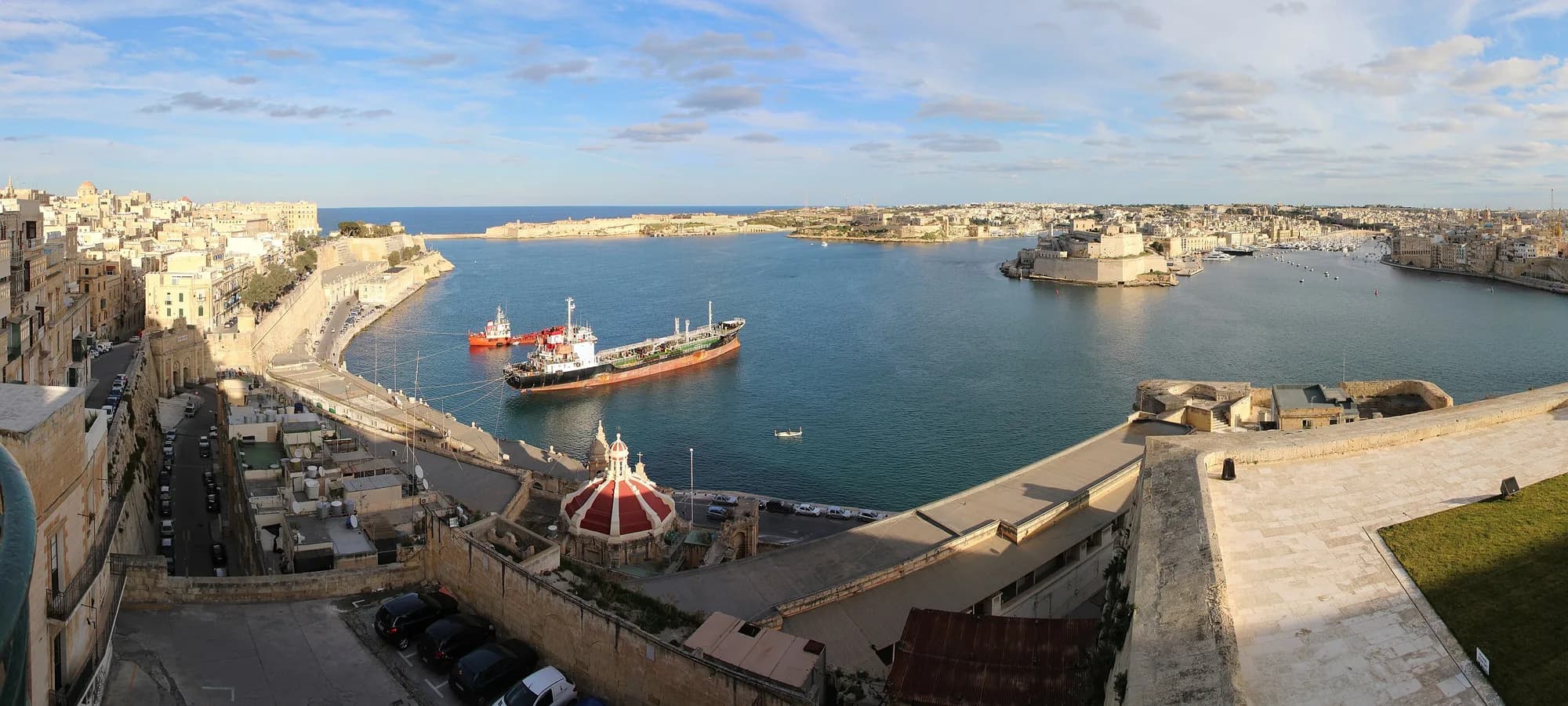
- Malta — five years inside a seven-year window: twelve months immediately before filing, plus four years across the preceding six.
- Cyprus — seven years of lawful residence within the past ten, plus twelve continuous months immediately before filing.
- Greece — seven years of lawful and settled residence.
- Portugal — ten years of legal residence for Vietnamese nationals, in force since 19 May 2026.
- Singapore — two years of permanent residence as a minimum, though most successful applicants have held it four to six years.
Holding a card against actually living there
This is the real dividing line. Canada counts days, and time in Canada before permanent residence counts only as half a day, capped at 365. The United States requires 913 days of physical presence across five years, and any absence over six months invites questions about continuous residence. Australia tightens the final stretch: no more than 90 days abroad in the twelve months before filing.
Greece is the one most often misread. The law asks for residence that is lawful and settled — two limbs. The Golden Visa satisfies the first while requiring no days at all in Greece, so seven years of holding it from Vietnam will not support a naturalisation file.
Put simply: if the business stays in Vietnam, most of these clocks are not running. Malta sits somewhere in between, asking for five years inside a seven-year window, but the decision at the end is entirely discretionary — the Minister assesses whether you are a suitable citizen, need give no reasons, and the decision cannot be appealed to any court. Singapore publishes no points table either.
Language and civics
- United States: read, write and speak English, plus the civics test.
- Canada: applicants aged 18 to 54 need CLB 4 in English or French, plus the citizenship test.
- Australia: the citizenship test and the good-character requirement.
- Cyprus: Greek at B1 and 60% or more in the exam on political and social life.
- Greece: the ΠΕΓΠ certificate — Greek plus geography, history, culture and institutions. The filing fee is EUR 550.
- Portugal: Portuguese, plus culture, history, national symbols and the new civics requirement on democratic institutions.
- Malta: adequate Maltese or English.
Who allows dual nationality
The United States, Canada, Australia, Portugal and Malta all let you keep your existing nationality. Singapore does not: an adult taking the Singapore passport must give up Vietnamese nationality, and that is a one-way decision. Cyprus and Greece are generally reported to permit dual nationality, but we have not been able to confirm either against an official text, so we put it no more strongly than that.
The Vietnamese side is simpler than most people assume. Naturalising abroad does not cost you Vietnamese nationality; only a granted application to renounce does. Inside Vietnam, though, the authorities deal with you as a Vietnamese national and nothing else.
The clocks are moving
Portugal is the most recent and most instructive example: the requirement rose from five years to ten for Vietnamese applicants, and the counting method changed too — it used to run from the date you applied for the residence permit, and now runs from the date AIMA actually issued it. Files lodged before 19 May 2026 are still judged under the old law.
The full country-by-country table, with conditions and the warnings attached to each, is on our citizenship page. If you are not yet sure whether you need a passport or simply a card, start with our immigration page.
The information in this article is for reference at the time of writing. It is not legal advice and no outcome is promised — immigration policy, tax rules and market conditions can change. For an assessment based on your family's specific circumstances, please request a consultation with the VNIS Investment team.
Read next

How to vet an immigration consultancy before you pay
Check the company registration, check the consultant's licence, and compare every figure against the destination country's own portal. All of it takes one afternoon.
Read more
Athens Property 2026: A 5.4% Yield and the Districts Worth Watching
Greek apartment prices rose 7.8% in 2025 and Athens delivers an average yield of 5.4%, the highest among Southern European capitals. A map of the districts worth considering in 2026.
Read more
Cypriot citizenship: what happened in 2020 and what is left
Cyprus closed its passport-for-investment programme in 2020. What remains is residence granted in months, and naturalisation counted in seven years of real residence.
Read more